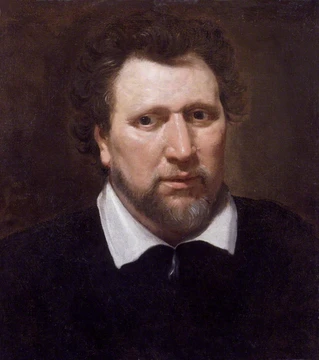
Antonio García Gutiérrez
Spanish Romantic dramatist whose play inspired Verdi's *Il trovatore*.

via Wikipedia: Antonio García Gutiérrez · see source
Antonio García Gutiérrez was a Spanish Romantic dramatist, born 5 July 1813 and died 6 August 1884. After studying medicine in his native town, he moved to Madrid in 1833 and earned a meager living translating plays of Eugène Scribe and Alexandre Dumas, père. He suddenly sprang into fame as the author of *El trovador* (The Troubadour), first performed on 1 March 1836. His next great success was *Simón Bocanegra* in 1843. Although recognized as one of the leaders of the Romantic movement in Spain, his plays were not immediately lucrative, and he emigrated to Spanish America, working as a journalist in Cuba and Mexico until 1850. After returning to Spain, he became known all over Europe through Giuseppe Verdi's opera *Il trovatore* (1853), adapted from *El trovador*. Verdi later adapted *Simón Bocanegra* into *Simon Boccanegra* (1857). García Gutiérrez became head of the archaeological museum at Madrid, where he died.
- born
- 5 July 1813
- died
- 6 August 1884
- field
- Dramatist
- nationality
- Spanish
- known_for
- Play *El trovador* (adapted by Verdi as *Il trovatore*)
Verified Timeline
Lore & Background
Antonio García Gutiérrez was born on 5 July 1813. After studying medicine in his native town, he moved to Madrid in 1833 and earned a meager living by translating plays of Eugène Scribe and Alexandre Dumas, père. Lacking success, he was on the point of enlisting when he suddenly sprang into fame as the author of *El trovador* (The Troubadour), first performed on 1 March 1836. His next great success was *Simón Bocanegra* in 1843. He published two volumes of lyrics, *Poesías* (1840) and *Luz y tinieblas* (1842), which are comparatively minor. Although recognized as one of the leaders of the Romantic movement in Spain, his plays were not immediately lucrative, and he emigrated to Spanish America, working as a journalist in Cuba and Mexico, until 1850, when he returned to Spain. After his return, García Gutiérrez became known all over Europe through Giuseppe Verdi's opera *Il trovatore* (1853), adapted from *El trovador*. Verdi then adapted *Simón Bocanegra* into the opera *Simon Boccanegra* (1857). Later works include the zarzuela *El grumete* (1853), *La venganza catalana* (1864), and *Juan Lorenzo* (1865). He became head of the archaeological museum at Madrid, where he died on 6 August 1884.
Reader's Guide
Antonio García Gutiérrez holds a significant place in Spanish literature as a key dramatist of the Romantic movement. His play *El trovador* (1836) catapulted him to fame and, through Verdi's operatic adaptation *Il trovatore*, gained international recognition. His ability to analyze feminine emotions and his versification distinguished his work, though his plays were not immediately profitable. His emigration to Spanish America and work as a journalist reflect the financial struggles of a Romantic artist. Later, his zarzuela *El grumete* and historical dramas like *La venganza catalana* and *Juan Lorenzo* show his continued output. His appointment as head of the archaeological museum in Madrid indicates his later institutional role. García Gutiérrez's legacy is tied to his influence on opera and his place in the Spanish Romantic canon, despite his minor lyrical works.
Did You Know?
- García Gutiérrez studied medicine in his native town before moving to Madrid in 1833.
- He earned a meager living translating plays of Eugène Scribe and Alexandre Dumas, père.
- His play *El trovador* was first performed on 1 March 1836.
- Giuseppe Verdi adapted *El trovador* into the opera *Il trovatore* (1853) and *Simón Bocanegra* into *Simon Boccanegra* (1857).
- He became head of the archaeological museum at Madrid.
From Medical Student to Overnight Star
García Gutiérrez was born on 5 July 1813 and initially pursued a career in medicine in his hometown. However, by 1833 he had abandoned that path entirely, relocating to Madrid where he struggled to make ends meet by translating the works of French playwrights Eugène Scribe and Alexandre Dumas, père. The financial rewards were scant, and his prospects grew so grim that he considered enlisting in the military. That desperate moment, however, was short-lived. On 1 March 1836, his drama El trovador premiered and instantly catapulted him into the public eye, transforming a struggling translator into a celebrated name in Spanish theatre. The breakthrough was not a one-off: seven years later, in 1843, Simón Bocanegra confirmed his standing as a major dramatic voice. Within less than a decade, García Gutiérrez had gone from the edge of military service to the forefront of the Spanish literary stage.
The Verdi Transformation
Perhaps the most enduring dimension of García Gutiérrez's legacy lies not in the Spanish-language stage but in the opera houses of Europe. After his return to Spain in 1850, his earlier dramas caught the attention of Giuseppe Verdi, who drew upon them for two of his most celebrated operas. Il trovatore, which premiered in 1853, was adapted directly from El trovador, while Simon Boccanegra (1857) took its narrative from Simón Bocanegra. These operas carried García Gutiérrez's plots, characters, and emotional architecture across the entire European musical landscape, introducing his storytelling to audiences who may never have encountered a Spanish Romantic play. In this sense, his reputation as a leading figure of Spanish Romanticism was cemented not solely by his compatriots but by one of the greatest composers of the nineteenth century.
Exile, Journalism, and the Road Home
Despite his critical acclaim, García Gutiérrez's plays did not generate the financial security he needed. The gap between artistic recognition and material comfort proved too wide to sustain in Madrid, and he made the difficult decision to emigrate to Spanish America. In Cuba and Mexico, he supported himself as a journalist, a far cry from the dramatic stage that had made his name. This period of absence from the Spanish literary scene lasted until 1850, when he finally returned to his homeland. His time abroad as a working journalist rather than a celebrated playwright underscores a recurring tension in his career: the Romantic ideal of the artist versus the practical demands of earning a living. The emigration also placed him in the broader cultural currents of the Spanish-speaking world during a formative period, and his eventual return to Madrid set the stage for the later recognition that would follow, including the Verdi adaptations that would carry his name across Europe.
Poetic Craft, Later Stage Works, and a Quiet Finale
Beyond his dramas, García Gutiérrez published two volumes of poetry—Poesías in 1840 and Luz y tinieblas in 1842—though these are generally regarded as comparatively minor achievements. His true literary distinction lay in the versification of his plays and in a particular gift for dissecting and rendering feminine emotional landscapes with nuance and depth, qualities that earned him a leading position among nineteenth-century Spanish dramatists. In his later creative period, he turned to the zarzuela form with El grumete (1853) and produced La venganza catalana (1864) and Juan Lorenzo (1865), works that critics identify as the finest of his final phase. After his active writing years, García Gutiérrez took on an administrative role as head of the archaeological museum in Madrid. It was in that same city that he passed away on 6 August 1884, closing a life that had spanned medicine, translation, exile, journalism, and ultimately a lasting mark on both Spanish theatre and European opera.
Gallery
Frequently Asked Questions
Who is Antonio García Gutiérrez?
He was a Spanish playwright active during the Romantic era, widely recognized as one of the movement's leading dramatic voices in nineteenth-century Spain.
What is Antonio García Gutiérrez's most famous play?
His signature work is *El trovador*, a Romantic drama that became his most celebrated theatrical achievement.
How did Antonio García Gutiérrez connect to Verdi's *Il trovatore*?
Giuseppe Verdi adapted García Gutiérrez's play *El trovador* into his famous opera *Il trovatore*, giving the Spanish dramatist's story an international operatic audience.
When was Antonio García Gutiérrez born and when did he die?
He was born on 5 July 1813 and passed away on 6 August 1884, spanning much of the nineteenth century.
Why is Antonio García Gutiérrez important in theater history?
As a central figure of the Spanish Romantic movement, he helped shape the era's dramatic style, and his legacy was further cemented when his work inspired one of Verdi's most performed operas.
More in Dramatists & Playwrights 1-21
Spotted an error? Know more?
This is a living reference — every entry is fact-audited, and reader corrections feed straight into our audit queue. Suggest an edit · See this site's audit record