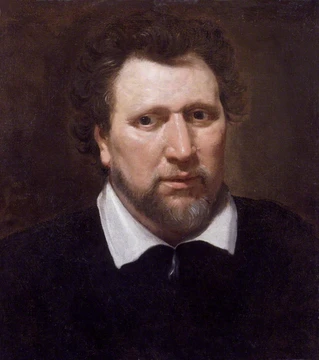
Ben Jonson
English playwright, poet and actor of the Renaissance.

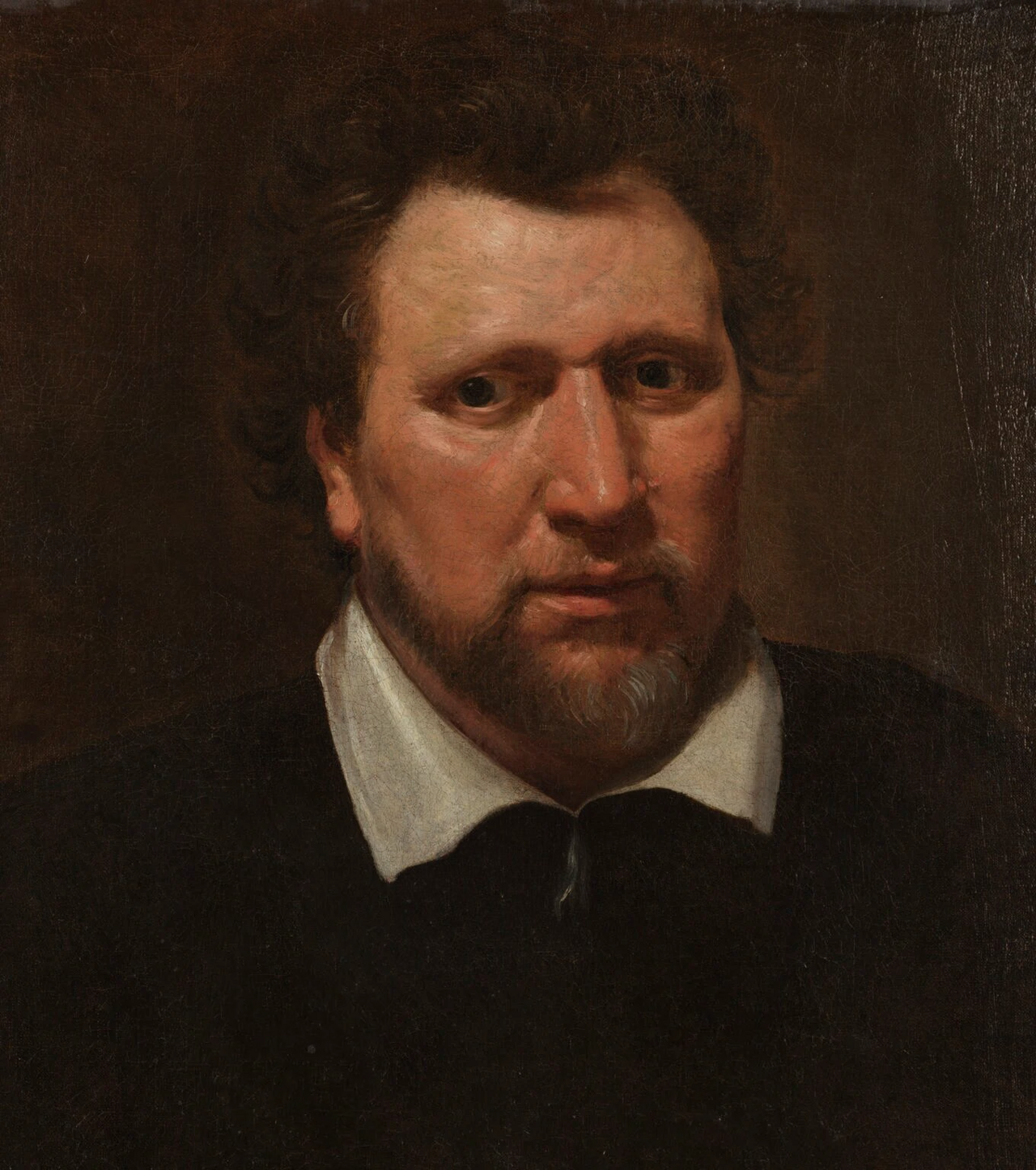
Ben Jonson · Public domain
Ben Jonson (c. His artistry exerted a lasting influence on English poetry and stage comedy, and he is regarded as 'the second most important English dramatist, after William Shakespeare, during the reign of James I.' He popularised the comedy of humours and is best known for satirical plays such as Every Man in His Humour, Volpone, The Alchemist, and Bartholomew Fair, as well as his lyric and epigrammatic poetry.
- field
- Playwright, poet, actor
- nationality
- English
- known_for
- Comedy of humours; satirical plays Every Man in His Humour, Volpone, The Alchemist, Bartholomew Fair; lyric and epigrammatic poetry
Lore & Background
His father, a Protestant clergyman, died a month before his birth. His mother later married a master bricklayer. Jonson attended school in St Martin's Lane and, with a family friend's support, studied at Westminster School under William Camden, whose scholarship influenced Jonson's art. He briefly attended St John's College, Cambridge, but left after a month due to an unwilled apprenticeship to his stepfather. He then volunteered as a soldier in Flanders, where he reportedly killed an enemy soldier in single combat. Returning to England, he worked as an actor and playwright, notably playing Hieronimo in The Spanish Tragedy. While in jail he converted to Catholicism. He lived separately from his wife for five years, staying with patrons.
Reader's Guide
Ben Jonson's significance lies in his broad cultural influence on Jacobean and Caroline playwrights and poets. He popularised the comedy of humours, a dramatic form focusing on characters dominated by a single trait, and his satirical plays—Every Man in His Humour, Volpone, The Alchemist, and Bartholomew Fair—remain central to English stage comedy. His lyric and epigrammatic poetry also had lasting impact. Jonson was a classically educated, well-read man of the English Renaissance, known for controversy in personal, political, artistic, and intellectual spheres. He adapted to the new reign of James I by writing masques and entertainments for the court, and enjoyed patronage from aristocrats including Elizabeth Sidney and Lady Mary Wroth. His work with other playwrights, such as the collaboration with Chapman and Marston on Eastward Ho!, led to imprisonment for anti-Scottish sentiment. Despite legal troubles and a contentious personality, Jonson's artistry shaped English drama and poetry for generations.
Did You Know?
- He converted to Catholicism while in jail, possibly influenced by fellow-prisoner Father Thomas Wright.
- He and poet Hugh Holland, whom he met at Westminster School, both wrote preliminary poems for William Shakespeare's First Folio.
Coining a Word for a Craft
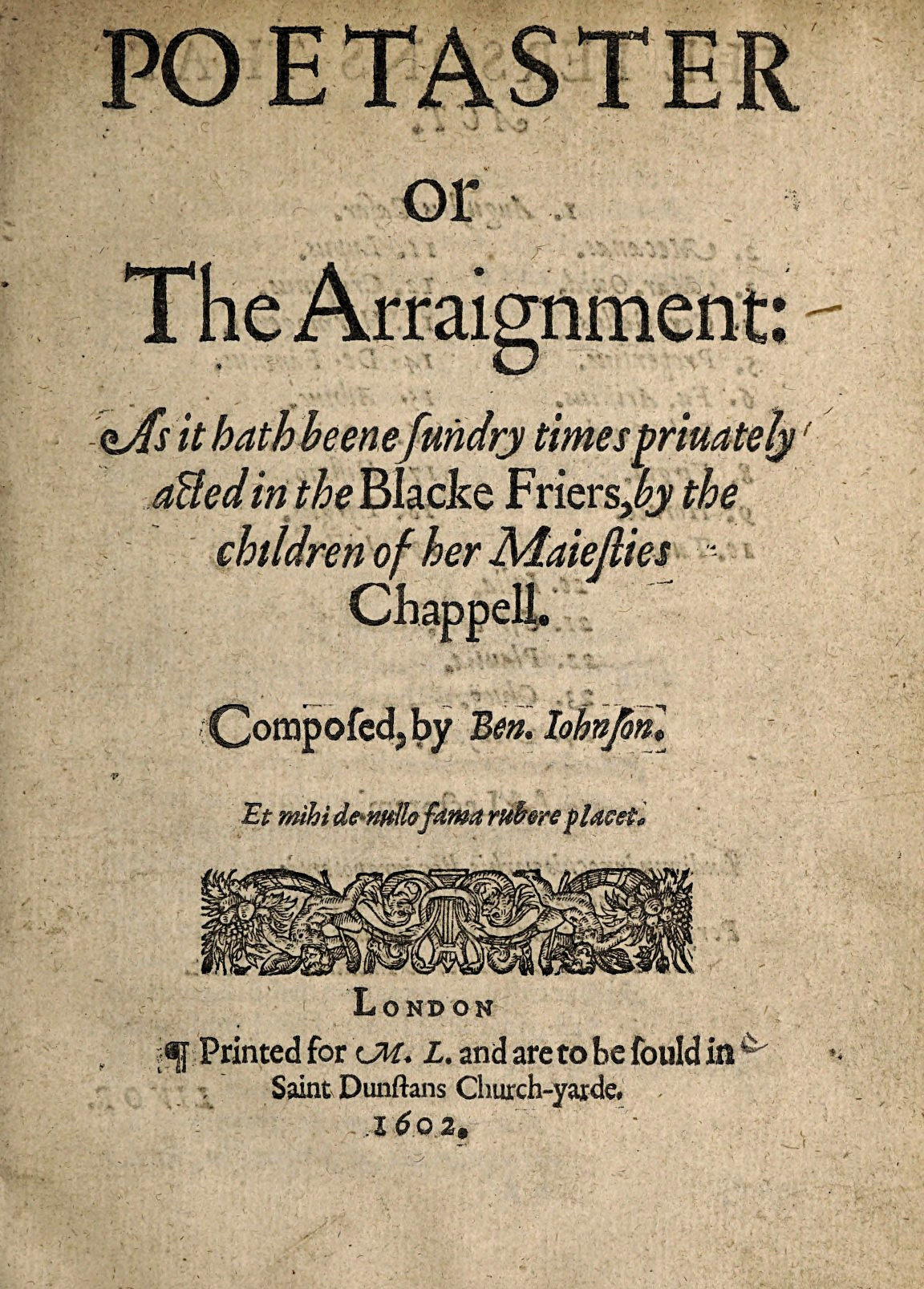
Ben Jonson is credited with coining the term "playwright," making him the first figure in English letters to carve out a distinct category for those who compose theatrical works, separate from the broader world of poets. The earliest recorded appearance of the word dates to 1605, a full 73 years before "dramatist" entered the written record. The construction itself is revealing: "wright" is an archaic English word for a craftsperson or builder, as seen in compounds like wheelwright or cartwright. Combined with "play," the term paints the image of someone who forges words, themes, and dramatic elements into a structured whole. The phonetic resemblance to "write" is purely coincidental. Jonson deployed the word in his Epigram 49, a passage scholars believe targets either John Marston or Thomas Dekker. In that context, the term carried a distinctly dismissive edge, framing the theatrical composer as little more than a tradesman producing goods for the stage.
A Poet, Not a Playwright
Despite his central role in shaping the vocabulary of the English stage, Jonson himself rejected the label "playwright." In his own estimation, he was a poet. This was not mere vanity; it reflected a deeply held professional distinction of the era. Because plays of that period were composed in meter, they were widely regarded as falling within the province of poets rather than a separate theatrical trade. Jonson's insistence on this boundary reveals how the cultural hierarchy of the early seventeenth century still folded dramatic composition into the broader, more prestigious domain of poetry. That particular view proved remarkably durable, persisting in literary circles well into the early nineteenth century. Only gradually did the idea take hold that writing for the stage constituted its own craft, deserving its own name and its own professional identity, distinct from the poet's workshop.
The Restoration Verdict
One of the most striking facts in the long critical history of the English stage is that, following the Restoration of the monarchy in 1660, the dominant critical establishment actually placed Ben Jonson above William Shakespeare. During the period stretching from 1660 to the close of the seventeenth century, classical ideals were firmly in fashion, and the neoclassical framework that prized strict adherence to Aristotelian principles shaped how audiences and critics judged dramatic merit. Within that lens, Jonson's work was rated more highly than Shakespeare's, with John Fletcher also enjoying a position above the Bard. This ranking was not a marginal opinion but the mainstream critical consensus of the era. The eventual reversal, in which Shakespeare came to be regarded as arguably the most influential writer in the English language, with his works translated into every major living language and performed more frequently than those of any other playwright, marks one of the great shifts in literary history.
From Insult to Identity
The word "playwright" entered the English language wearing a scar. Jonson's original usage in 1605 was pointedly pejorative, reducing the theatrical writer to the status of a mere tradesman, a craftsman churning out products for the stage rather than a creator of lasting art. The very architecture of the word — a "wright" building something — reinforced that artisanal, workshop-level connotation. For Jonson, the distinction between a poet and a playwright was a distinction between elevation and manual labor. Yet language has a way of outgrowing its origins. Over the centuries, the negative charge attached to the term gradually dissolved. The word shed its dismissive undertones and became the neutral, even proud, professional title for those who compose for the theatre. What began as Jonson's barbed jab at a rival — likely John Marston or Thomas Dekker, as Epigram 49 suggests — ultimately became the standard, unpejorative term by which the craft is known.
Gallery



Frequently Asked Questions
What plays is Ben Jonson best known for?
His most celebrated satirical comedies include Volpone, The Alchemist, Every Man in His Humour, and Bartholomew Fair. He also produced a body of lyric and epigrammatic poetry that remains widely anthologized.
What is the 'comedy of humours' that Jonson popularised?
It is a comedic structure in which each major character is dominated by a single exaggerated temperament or 'humour,' driving the plot through clashing personality types. Jonson made this approach a defining feature of Jacobean stage comedy.
Why is Ben Jonson considered important to English theatre?
His sharp satirical wit and structural discipline reshaped how comedy was written on the English stage during the reign of James I. His influence on both dramatic form and poetic style extended well beyond his own lifetime.
More in Dramatists & Playwrights 1-21
Spotted an error? Know more?
This is a living reference — every entry is fact-audited, and reader corrections feed straight into our audit queue. Suggest an edit · See this site's audit record